
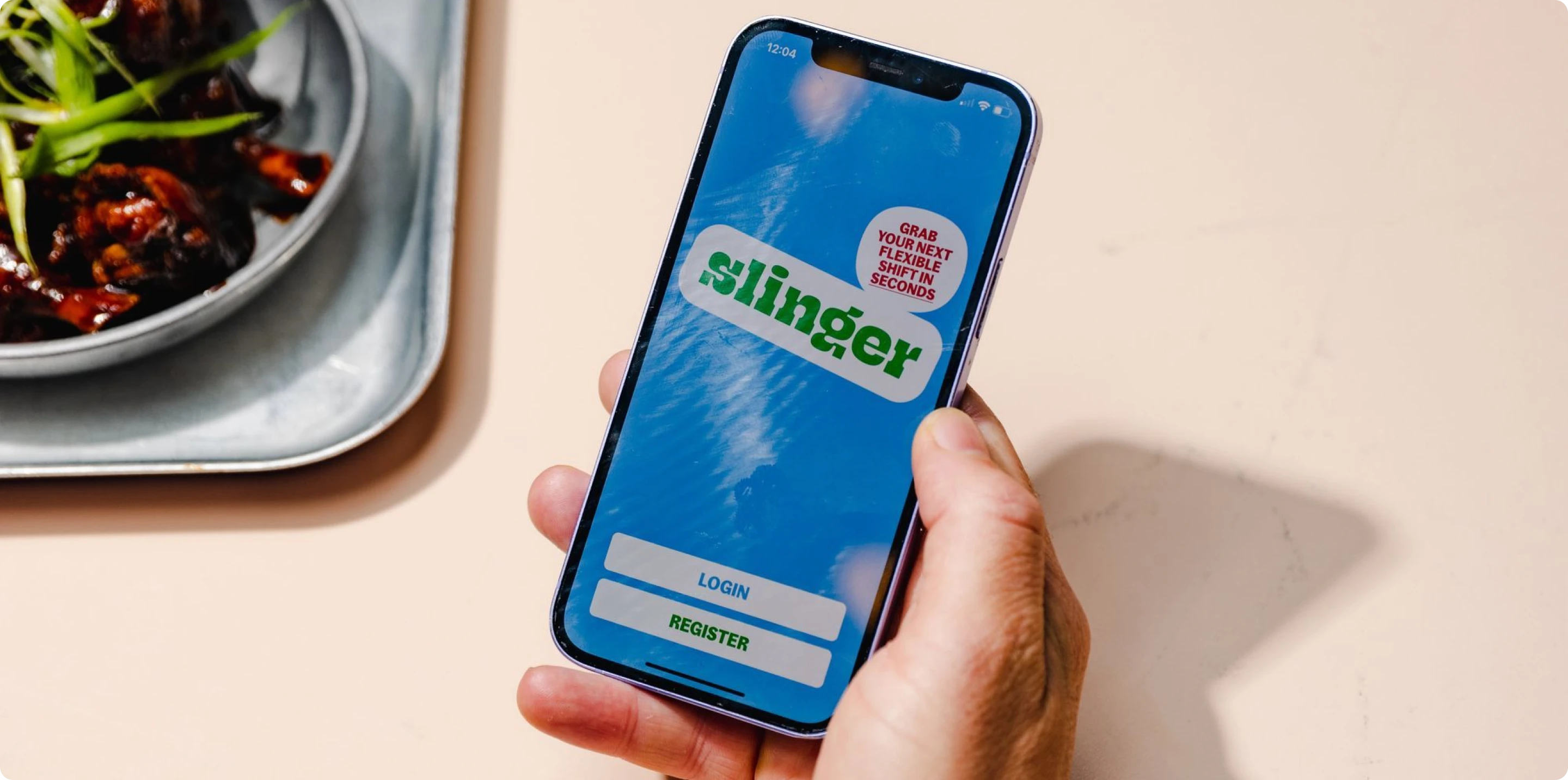
Slinger
A stalled hospitality app rebuilt from the floor up, and shipping monthly the whole way — CV-free hiring, verified on-site check-in and self-service payouts.
Read Case Study
The first session decides everything after it.
We build consumer products for the app stores: a booking and photo app for a dog day care operator, a voice-feedback app that turns opinions into charity donations, and a hospitality work app that had stalled under a previous team and now ships every month.
Consumer apps are judged differently to everything else we build. There is no procurement process and no onboarding call — someone downloads it, gives it about ninety seconds, and either comes back or does not. Everything upstream of that moment is engineering, and almost none of it shows up in a feature list.
Capabilities
Full App Store and Google Play releases with signing, staged rollout and review handled as a repeatable pipeline rather than a launch-day event.
The path from install to first meaningful action, treated as the highest-value screen in the product — because it decides whether the rest of it is ever seen.
Streaks, badges, progress goals and in-app currency — mechanics that give someone a reason to open the app on a day nothing prompted them to.
Social sign-in across the major providers with secure token handling, so account creation is not the first thing that loses a new user.
Verified identity, on-site check-in and in-app support, for consumer products where two strangers have to transact with confidence.
Taking over an app that has stopped shipping, re-establishing a monthly release rhythm, and rebuilding underneath it without going dark.
The Domain
The constraints that shape every build in this sector — and the ones an agency new to the sector tends to discover late.
Review timelines, policy changes and rejections sit between finished work and users. Release planning has to assume the gate exists, rather than discovering it the week of launch.
A bad release is visible on the storefront long after it is fixed, and it suppresses installs while it sits there. Quality gates are cheaper than recovering a rating.
Most of the people who will ever abandon the app do it before they reach the feature you are proudest of. Effort belongs at the front of the journey, where it feels least glamorous.
Consumer products with no content on day one have nothing to retain anyone with. Seeding real content before launch is a build task, not a marketing one.
A feature that is better on one platform reads as a broken app on the other. Parity is the baseline expectation, which is why we default to a shared codebase.
A consumer app that stops shipping starts dying quietly — against OS releases, device sizes and expectations. The ability to release every month matters more than any single feature.
Related Work
Hospitality work, charitable giving and dog day care — three consumer products, all live in both stores.
A stalled hospitality app rebuilt from the floor up, and shipping monthly the whole way — CV-free hiring, verified on-site check-in and self-service payouts.
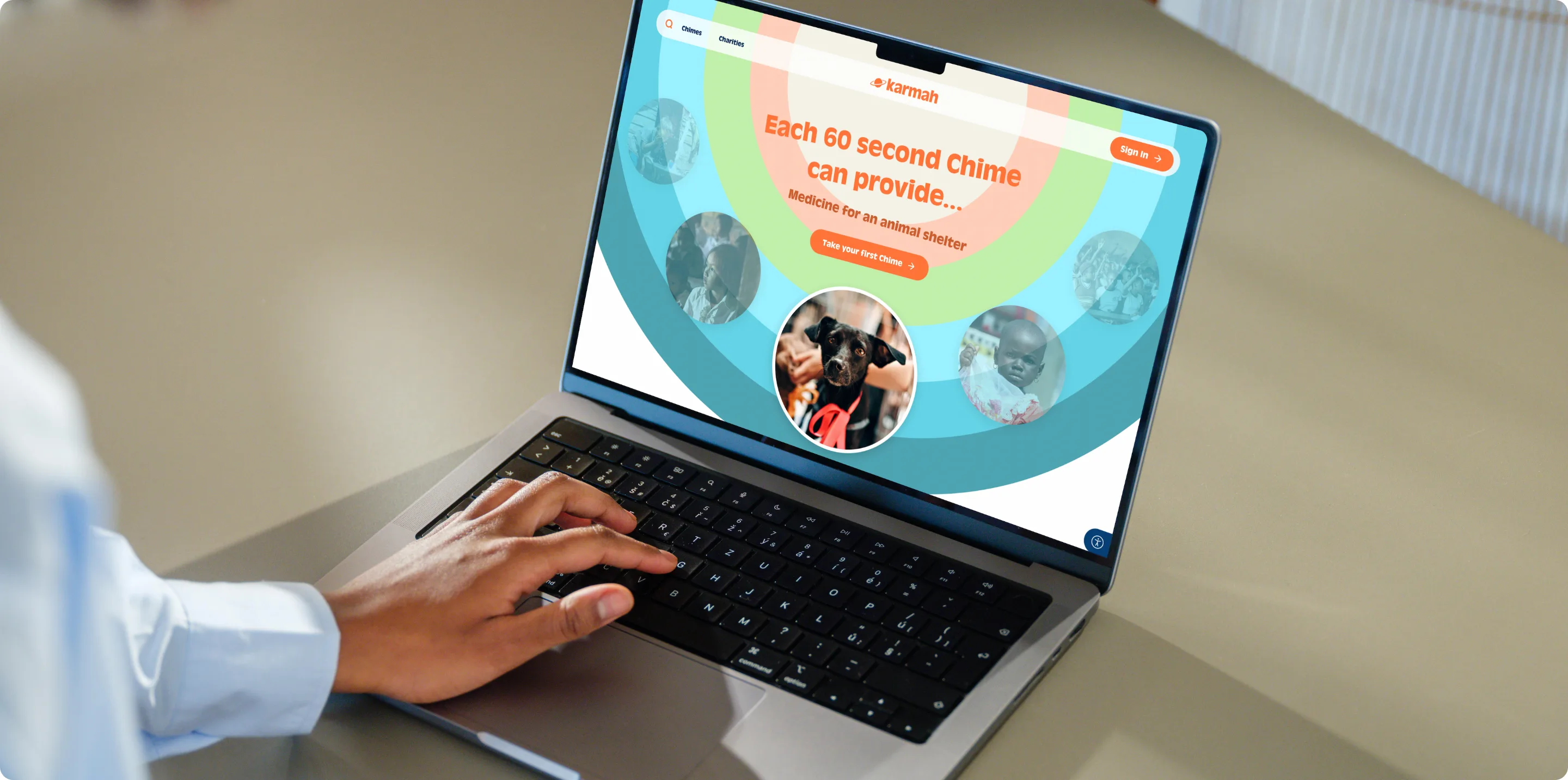
An 18-month MVP turning voice feedback into charity donations — live transcription, a retrainable sentiment model, and 4,400+ brands seeded before launch.
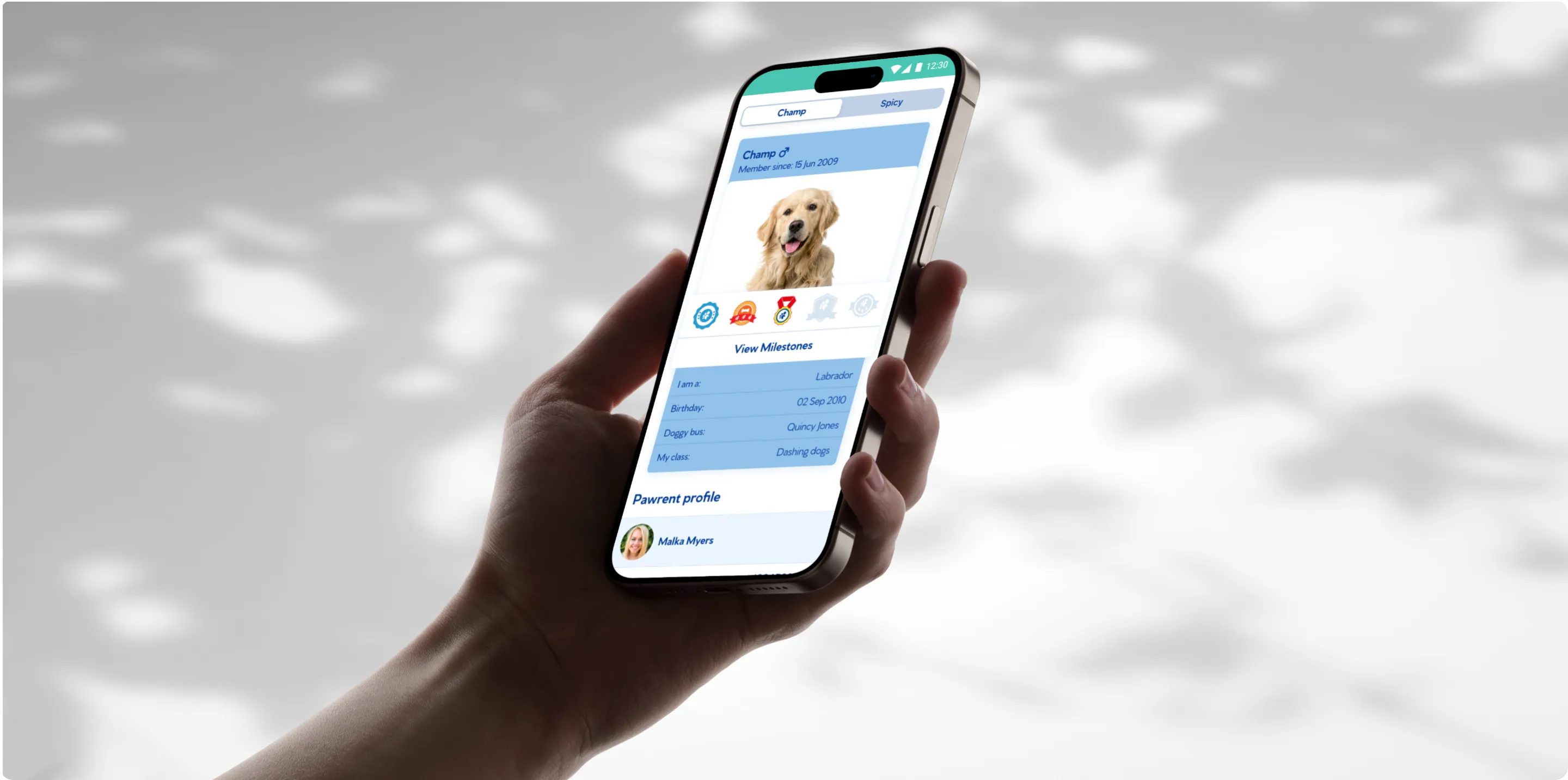
Custom CRM, customer app, and driver app for a leading UK dog day care operator. 44% app adoption in weeks.
Related Service
This page is about the sector. If you would rather start from the work itself, our mobile app development page covers scope, process and engagement.
Tell us what you are trying to ship and what is in your way. We will come back with a straight answer on whether we are the right team for it.
Get in Touch