
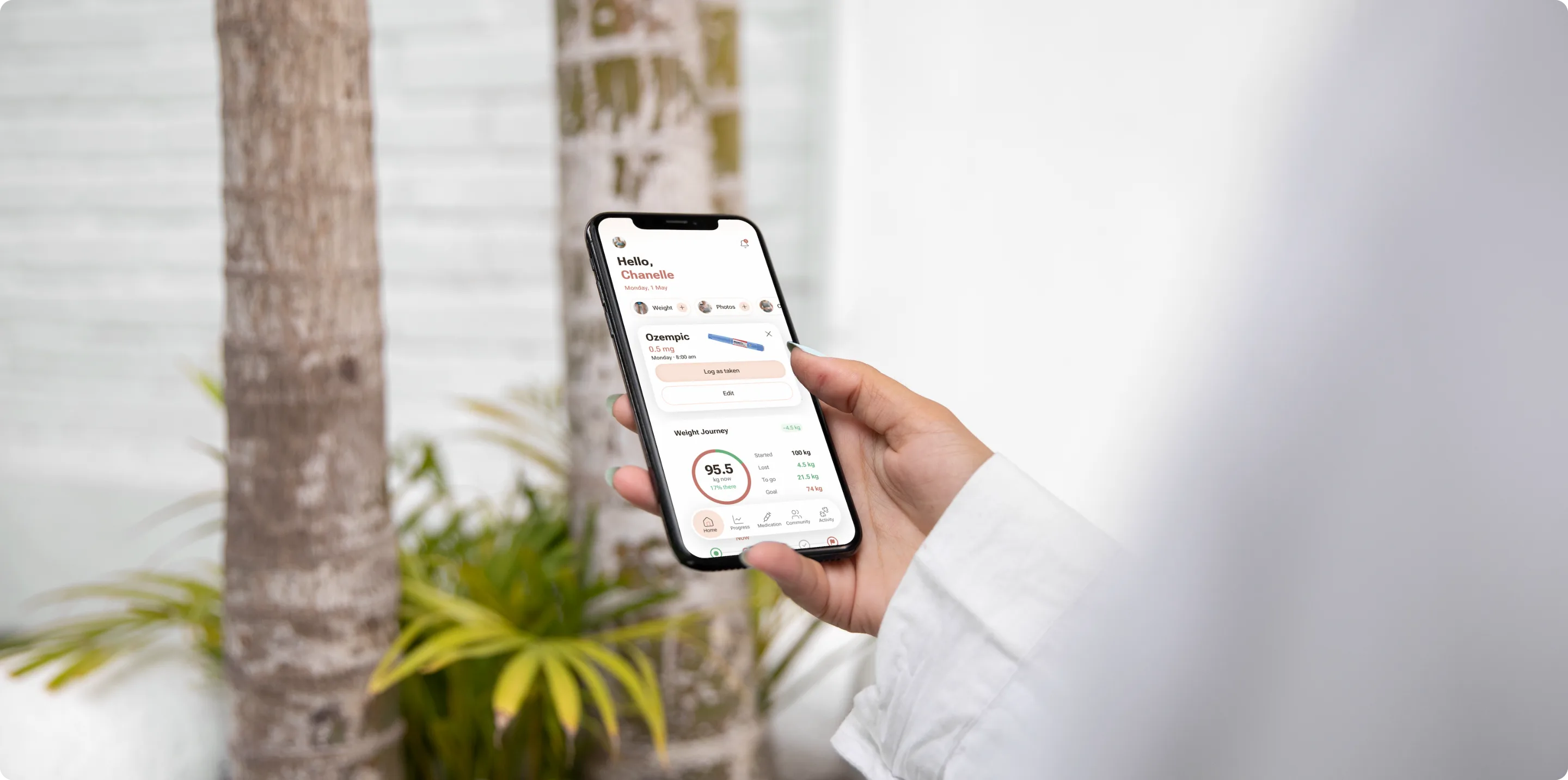
FIT for LIVET
A leading Danish medical weight loss clinic moved off a rented white-label app onto a bespoke Flutter platform they own — medication tracking, weight-loss projections and a recipe community.
Read Case Study
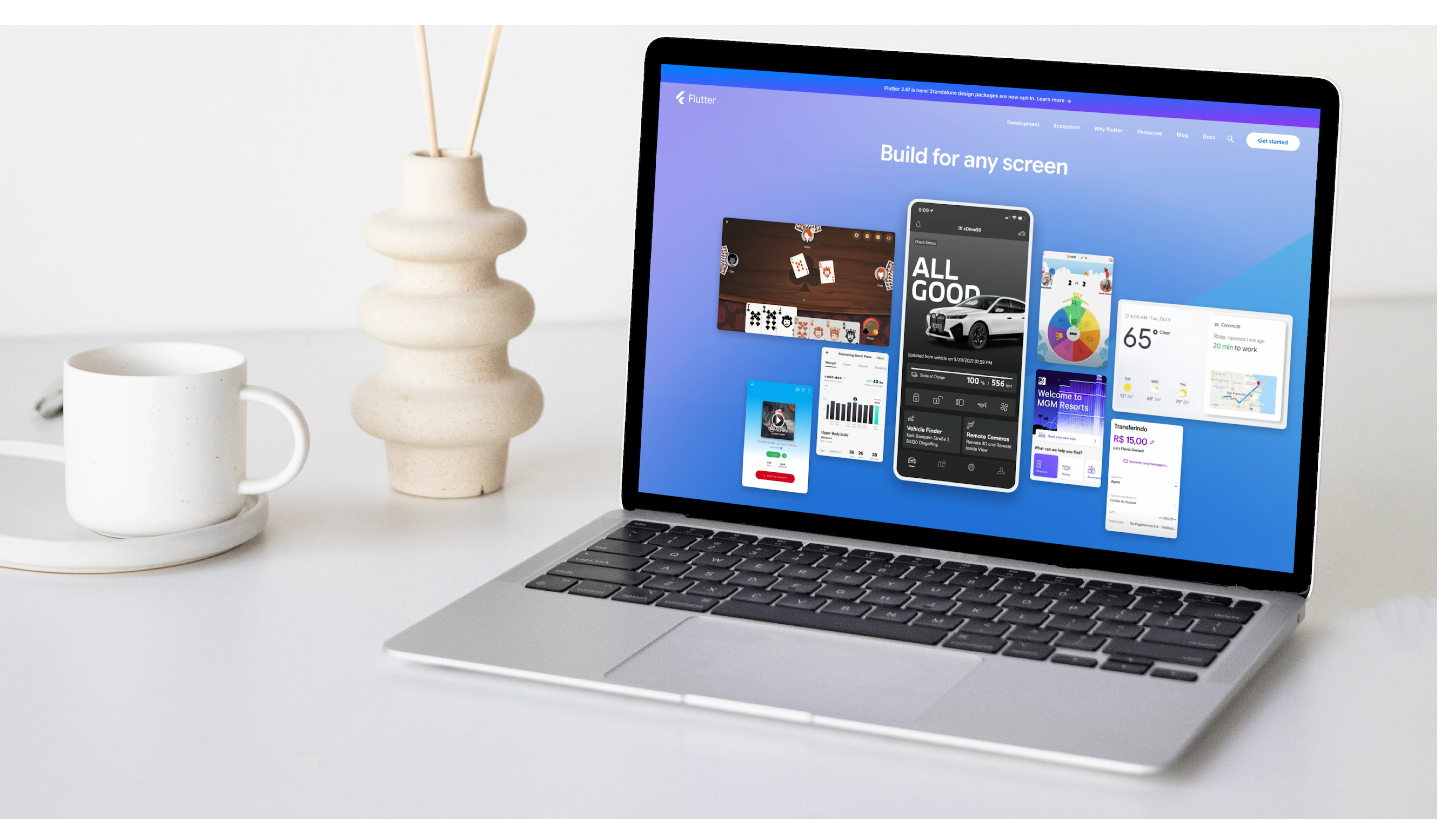
One codebase. Two stores. No compromise on native feel.
Most UK agencies reach for React Native. We reach for Flutter, and we have the shipped products to argue the case — consumer apps, clinical apps, field-operations apps, and a point-of-sale app running on physical payment hardware.
Flutter gives us a single Dart codebase compiled ahead-of-time to native ARM for both platforms, which means one team, one test suite and one release cadence instead of two of everything. That is usually the difference between a mobile product that stays current and one that quietly falls behind on one platform.
Capabilities
Full App Store and Google Play releases with staged rollouts, in-app update flows and crash-free-rate monitoring from day one.
Hive-backed local databases with sync-on-reconnect, built for drivers and field teams who lose signal mid-shift and cannot lose work.
Thermal printer and card-reader integration on Sunmi point-of-sale handhelds, plus in-app Stripe card payments where the flow stays in the app.
WebSocket audio streaming for live transcription, and SignalR clients receiving push events straight from a .NET backend.
Apple HealthKit and Google Health Connect for activity and measurement data, with the permission handling that makes clinical review pass.
A private Flutter component package consumed across multiple apps by git reference, so a design change lands once and propagates.
The Stack
Not a wish list. Every library below is running in a repository we maintain.
Engineering Practice
Choosing the stack is the easy part. These are the decisions that determine whether the codebase is still maintainable after we hand it over — and they are the same on every Flutter project we run.
Our certificationsThree build flavours as standard — dev, staging and production — each with its own bundle identifier, Firebase project and environment file, so a tester can hold all three on one handset.
API clients are generated from the backend's OpenAPI schema rather than hand-written, which means a breaking backend change fails the mobile build instead of reaching a user.
Typed environment configuration via envied and code generation, so no secret is ever compiled into a committed source file.
Bitrise pipelines handle signing and store submission, so a release is a button rather than an afternoon on somebody's laptop.
Crashlytics and Firebase Analytics wired per flavour from the first build, so the crash-free rate is a number we watch rather than one we discover.
Related Work
Clinical, consumer, field-operations and membership apps — each with Flutter in the build.
A leading Danish medical weight loss clinic moved off a rented white-label app onto a bespoke Flutter platform they own — medication tracking, weight-loss projections and a recipe community.
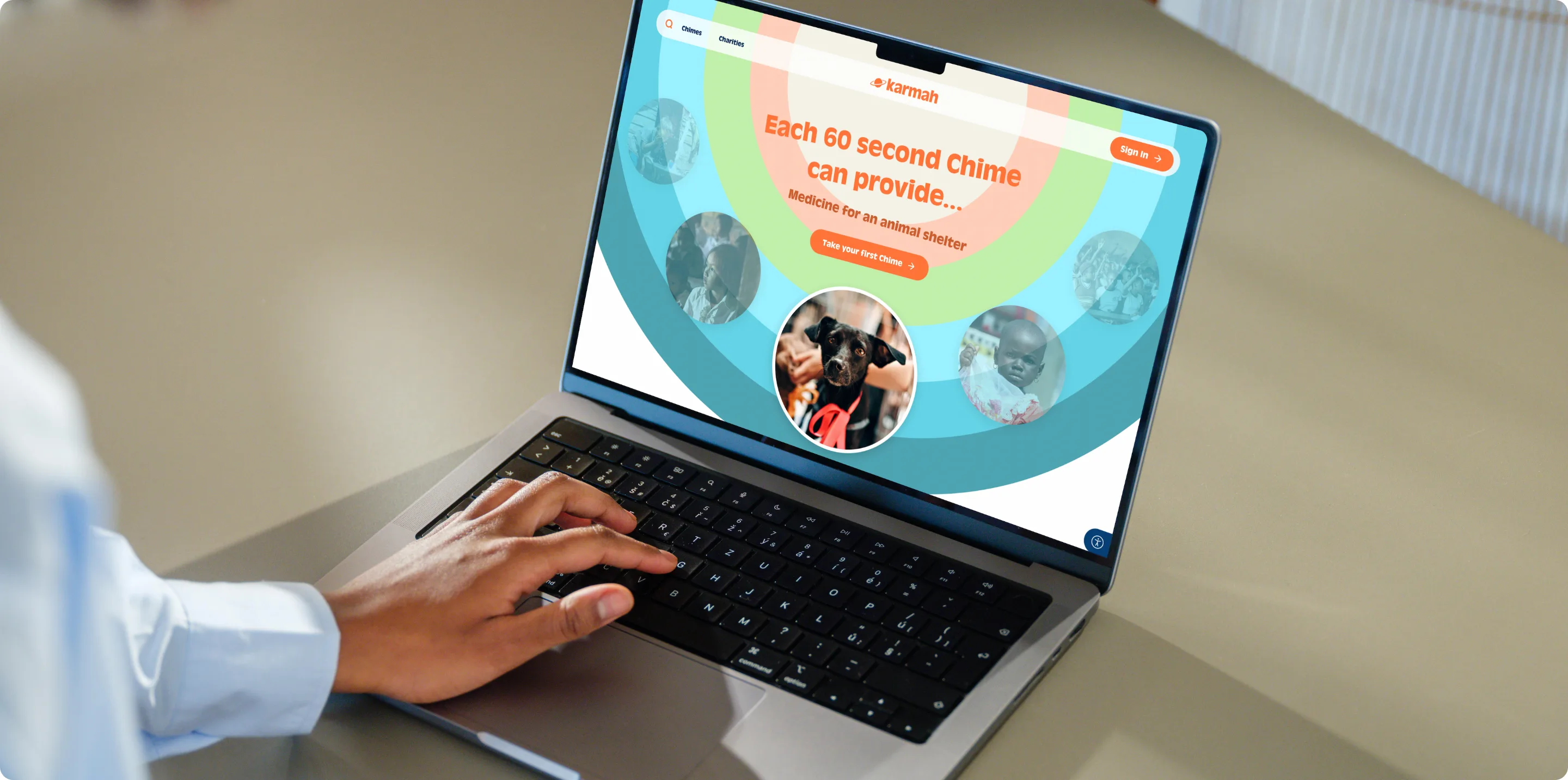
An 18-month MVP turning voice feedback into charity donations — live transcription, a retrainable sentiment model, and 4,400+ brands seeded before launch.
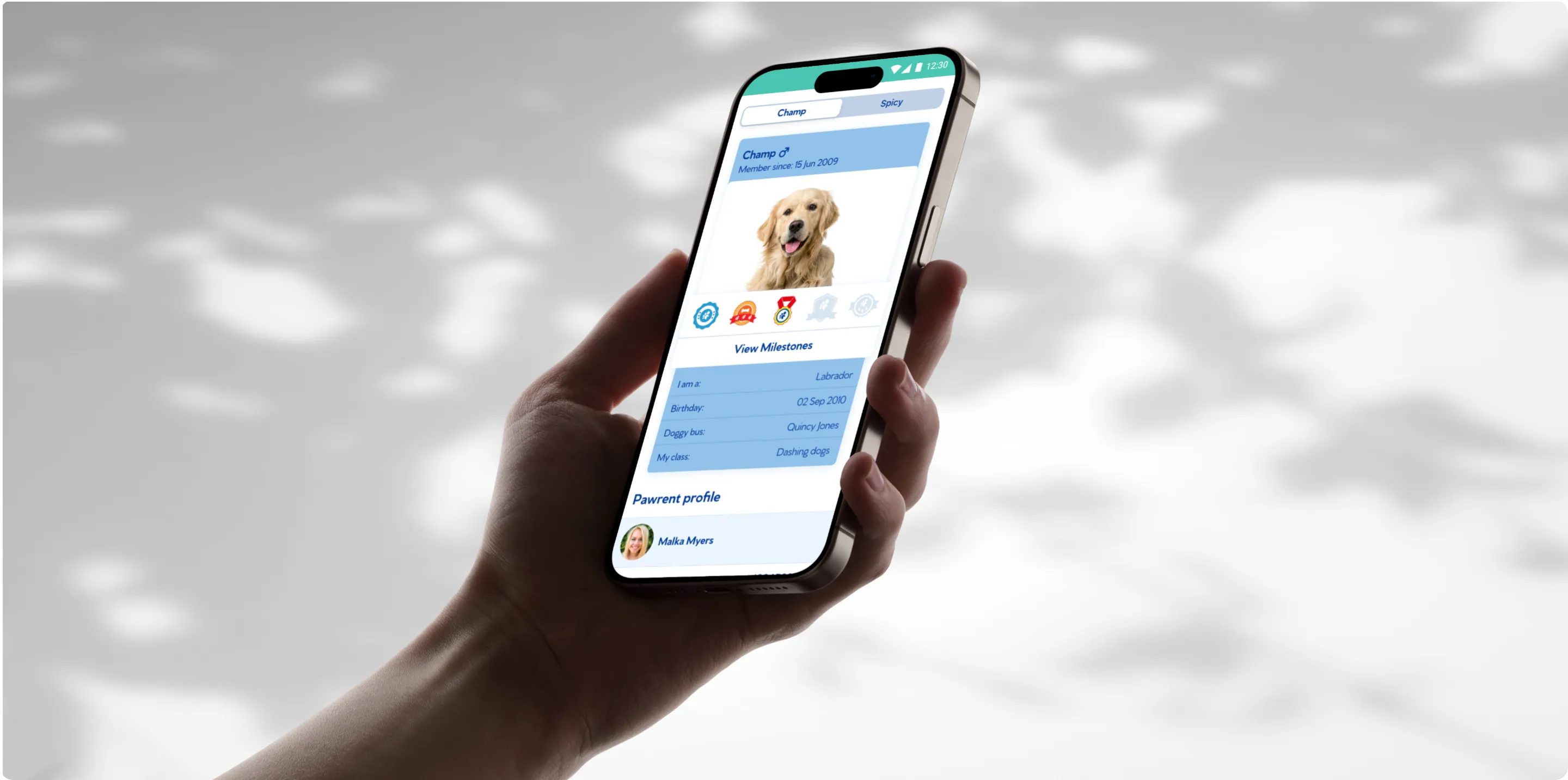
Custom CRM, customer app, and driver app for a leading UK dog day care operator. 44% app adoption in weeks.
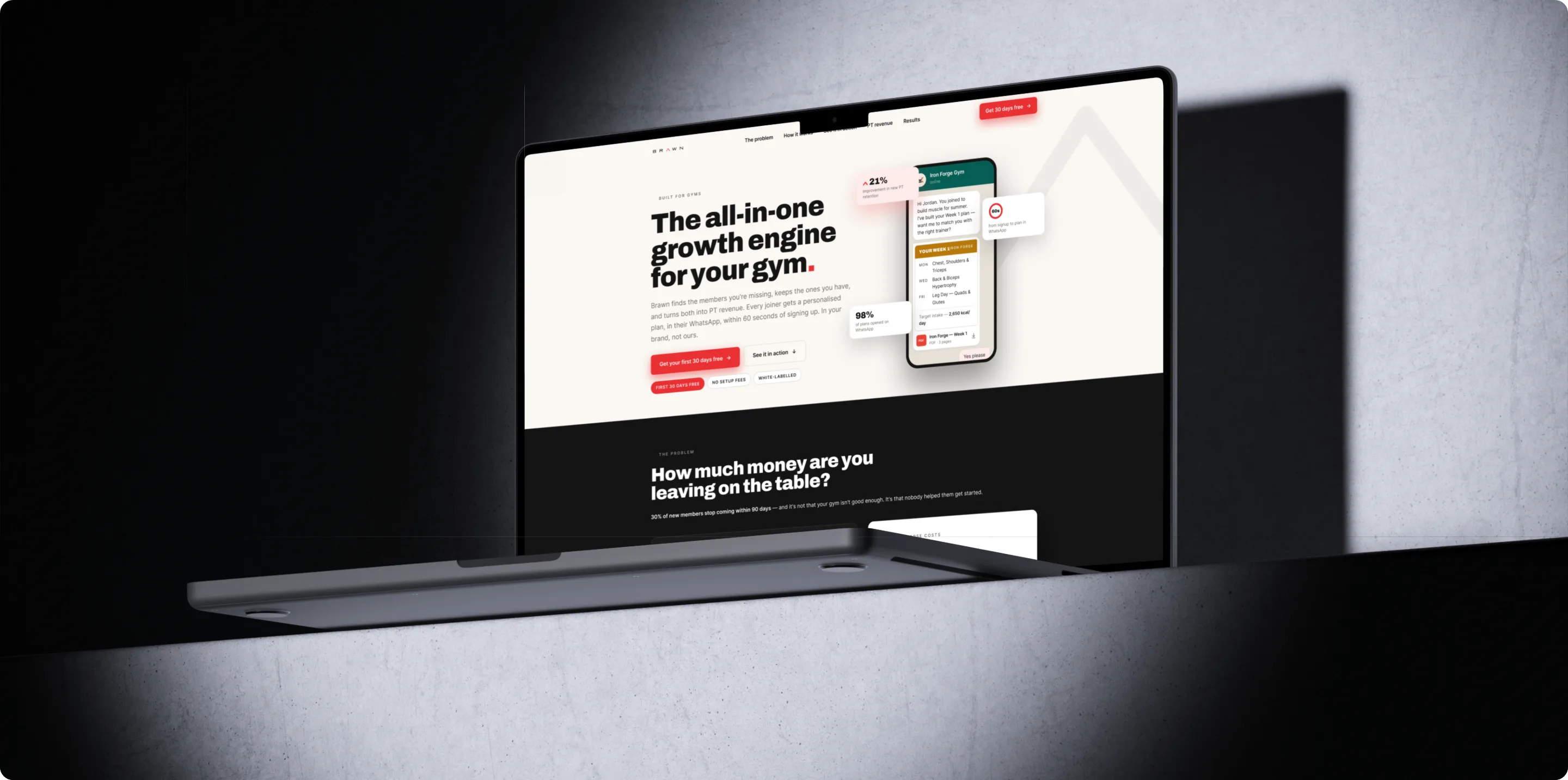
Credit-based booking, billing and trainer payouts for 50+ UK gyms — with 21 health checks that surface billing drift before a member does.
Related
Related Service
Flutter is how we build. If you would rather start from what you need delivered, our mobile app development page covers scope, process and engagement.
Tell us what you are building — or what you have inherited. We will come back with a straight answer on scope and approach.
Get in Touch