

Huntsman
Re-platformed Savile Row tailor Huntsman from Magento to Shopify with a bespoke theme and Salesforce sync.
Read Case Study

The storefront is the brand, and it is being compared to the shop.
We build and run the digital flagships of heritage and luxury brands — Savile Row tailoring, British gunmaking, international fashion, and curated lifestyle groups running multiple brands from one architecture.
Luxury retail has a standard other eCommerce does not. The customer has often been to the physical shop, and the site is measured against that. A layout that feels ordinary, a page that loads slowly, a checkout that feels like everyone else's — each one quietly contradicts the brand's central claim. The engineering brief is craft, and craft is measurable: performance, typography, restraint.
Capabilities
Custom storefronts written from scratch rather than adapted from a marketplace theme, because a bought theme reads as a bought theme to exactly this customer.
Moving heritage brands off ageing platforms and their accumulated technical debt, without losing trading, search visibility or the catalogue's history.
Salesforce integration connecting online behaviour to the client relationships the shop floor already holds, so high-value clients are recognised in both places.
One theme architecture serving several brands and international storefronts, so a campaign ships everywhere in a fraction of the time it used to.
Headless storefronts on the platform's own edge runtime, paired with a content studio, when the brand needs design freedom the theme layer will not give.
Made-to-measure flows, cloth and material libraries, waitlists and controlled launches — the mechanics that do not exist as an app because the business model is unusual.
The Domain
The constraints that shape every build in this sector — and the ones an agency new to the sector tends to discover late.
The benchmark is not a competitor's website, it is the experience of walking into the flagship. That sets a standard for pace, polish and restraint that ordinary eCommerce does not have to meet.
For a premium brand, a slow page does not read as a slow page. It reads as carelessness, and it undermines the one thing the brand is selling.
Made to measure, limited runs, materials libraries and appointment-led purchases do not fit standard product models. Much of the work is making commerce platforms handle a catalogue they were not designed for.
Long-established businesses arrive with long-established stacks and years of workarounds. Progress usually means careful migration alongside trading, not a clean rebuild.
Most conversion tactics that work in mass retail — urgency banners, aggressive upsells, discount popups — actively damage a luxury brand. The toolkit is smaller and the craft has to be better.
Related Work
Savile Row tailoring, British gunmaking, international fashion and a headless luxury launch.
Re-platformed Savile Row tailor Huntsman from Magento to Shopify with a bespoke theme and Salesforce sync.
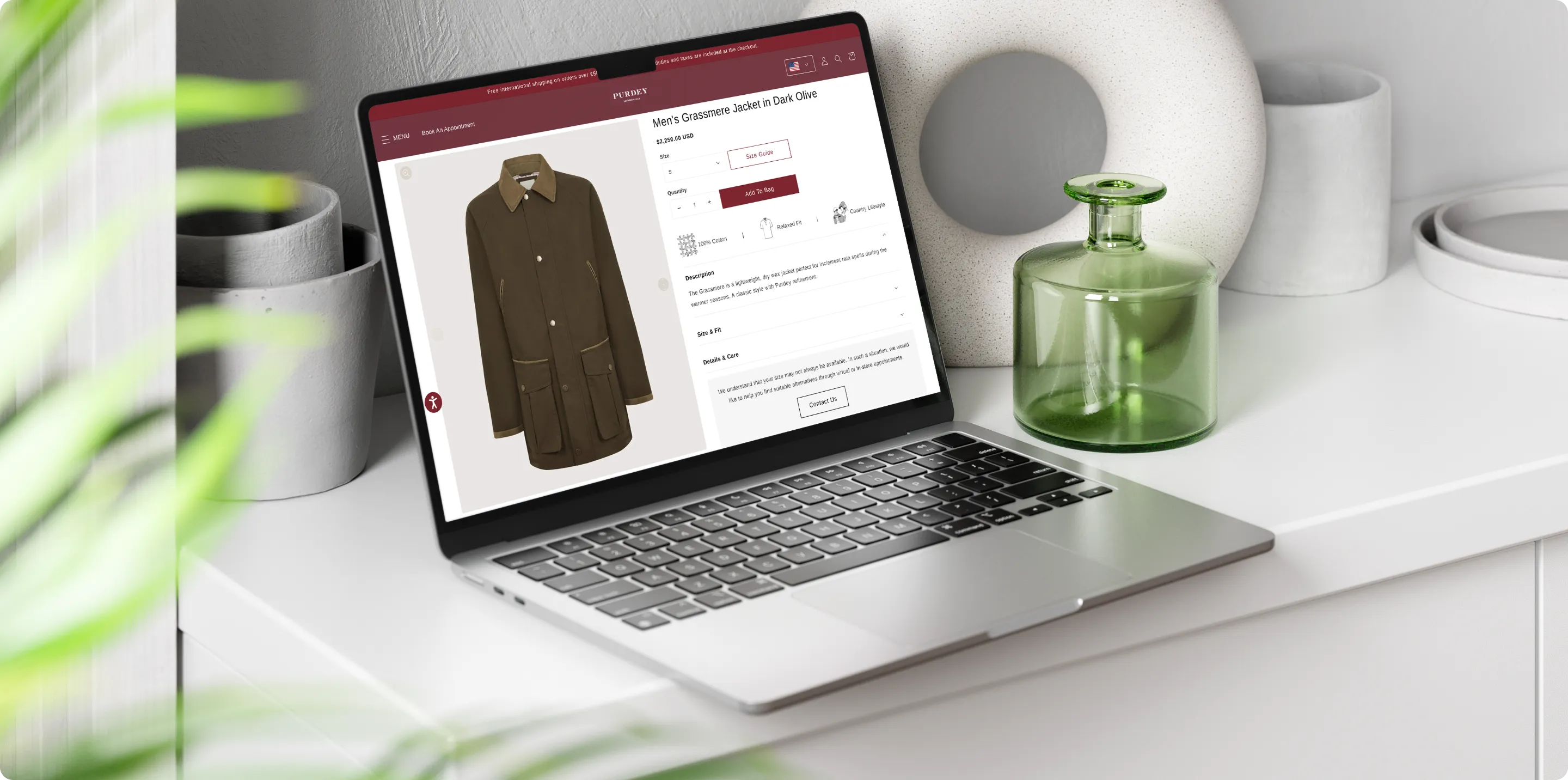
A Magento-to-Shopify migration with a multi-store master theme and bespoke Salesforce integration for a 210-year-old brand.
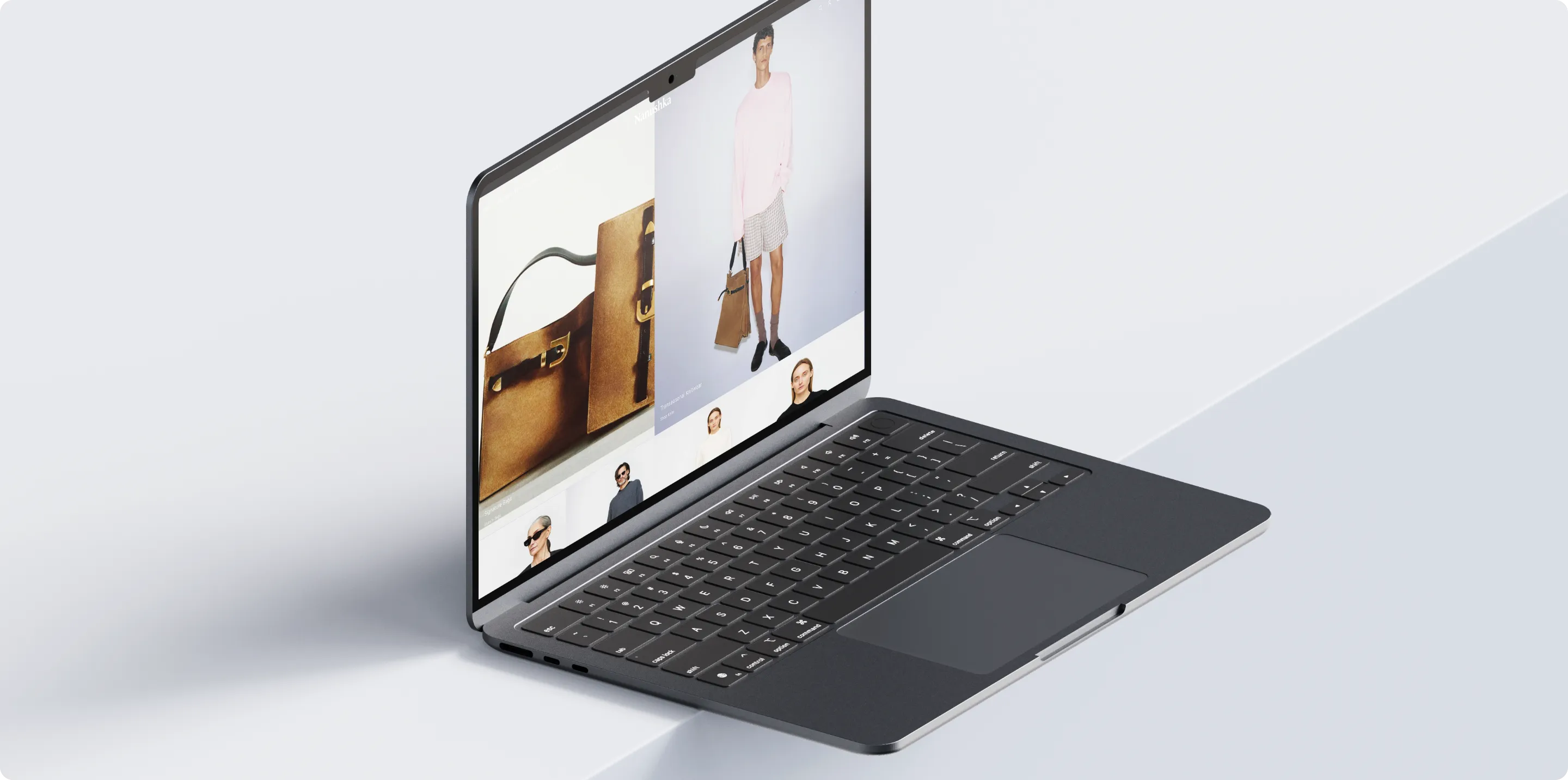
Invisible theme modernisation, an app-cost audit, and ongoing management for a global luxury fashion house.
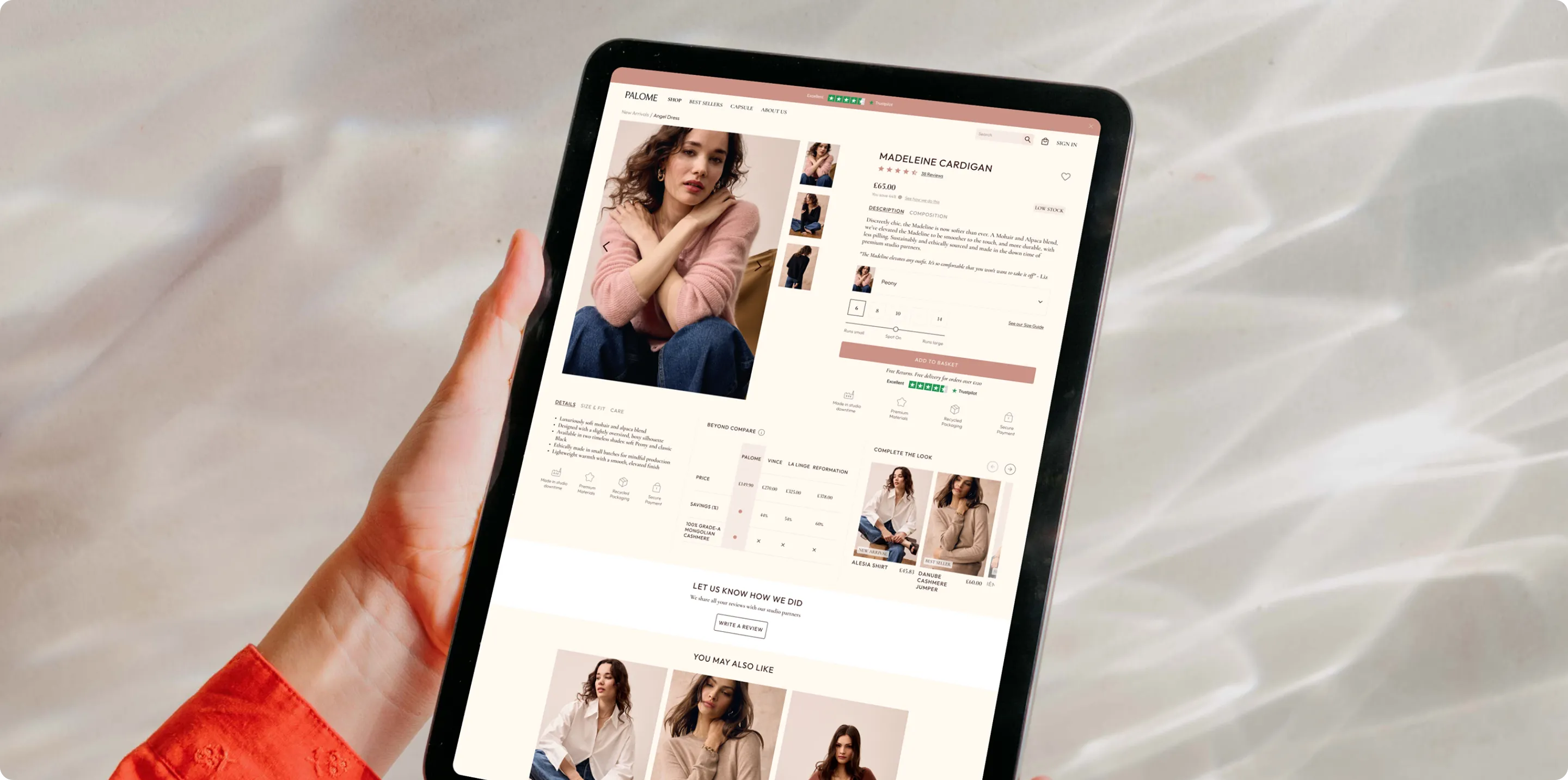
A headless Shopify Hydrogen storefront and bespoke drop-queuing system, taking a sustainable luxury brand from concept to launch in six weeks.
Related
Related Service
This page is about the sector. If you would rather start from the work itself, our shopify theme development page covers scope, process and engagement.
Tell us what you are trying to ship and what is in your way. We will come back with a straight answer on whether we are the right team for it.
Get in Touch