

Global Mediation
An AI scheduling engine that negotiates SEND mediation dates across five participant types — with policy and local authority rules stored as data.
Read Case Study

The backend we reach for when the data matters.
.NET is where we put workloads that have to be right: patient records under field-level encryption, mediation case files, tronc payments distributed to hospitality staff, and health platforms operating under clinical scrutiny.
We run current .NET across the estate today, on PostgreSQL and SQL Server alike, with Clean Architecture and CQRS where a domain earns that structure and a straightforward layered API where it does not. The point is a codebase a different team could still reason about in five years.
Capabilities
REST APIs with explicit versioning, OpenAPI documentation via Swagger and Scalar, and generated typed clients for every consumer.
EF Core field-level encryption backed by Azure Key Vault, protecting patient records in a live clinical system.
MediatR-based command and query separation with FluentValidation at the boundary, applied where domain complexity justifies it.
Hangfire job servers with authenticated dashboards for scheduled and long-running work that must survive a deploy.
Hubs pushing live events to web and Flutter clients — badges, goals, medication reminders and feature toggles.
.NET MAUI where a native client makes more sense than a browser, sharing domain code with the API.
The Stack
Not a wish list. Every library below is running in a repository we maintain.
Engineering Practice
Choosing the stack is the easy part. These are the decisions that determine whether the codebase is still maintainable after we hand it over — and they are the same on every .NET project we run.
Our certificationsDatabase migrations ship as EF migration bundles baked into the container image, so the schema and the code that expects it are deployed as one artefact.
Integration tests run against a real PostgreSQL instance via Testcontainers rather than an in-memory substitute, because in-memory providers hide exactly the bugs integration tests exist to catch.
Custom Roslyn analysers enforce project-specific conventions at compile time, which keeps code review about design rather than style.
API clients for web and mobile are generated from the Swagger document, so a contract change surfaces as a failed build in every consumer.
Bugsnag across API, web and mobile gives one error timeline per release rather than three unrelated dashboards.
Related Work
Mediation case management, clinical platforms, workplace analytics and tronc distribution — each running .NET in production.
An AI scheduling engine that negotiates SEND mediation dates across five participant types — with policy and local authority rules stored as data.

A leading Danish medical weight loss clinic moved off a rented white-label app onto a bespoke Flutter platform they own — medication tracking, weight-loss projections and a recipe community.

Eight years building and running a multi-tenant analytics platform — Google Workspace, Microsoft 365 and Slack data, now measuring AI adoption.
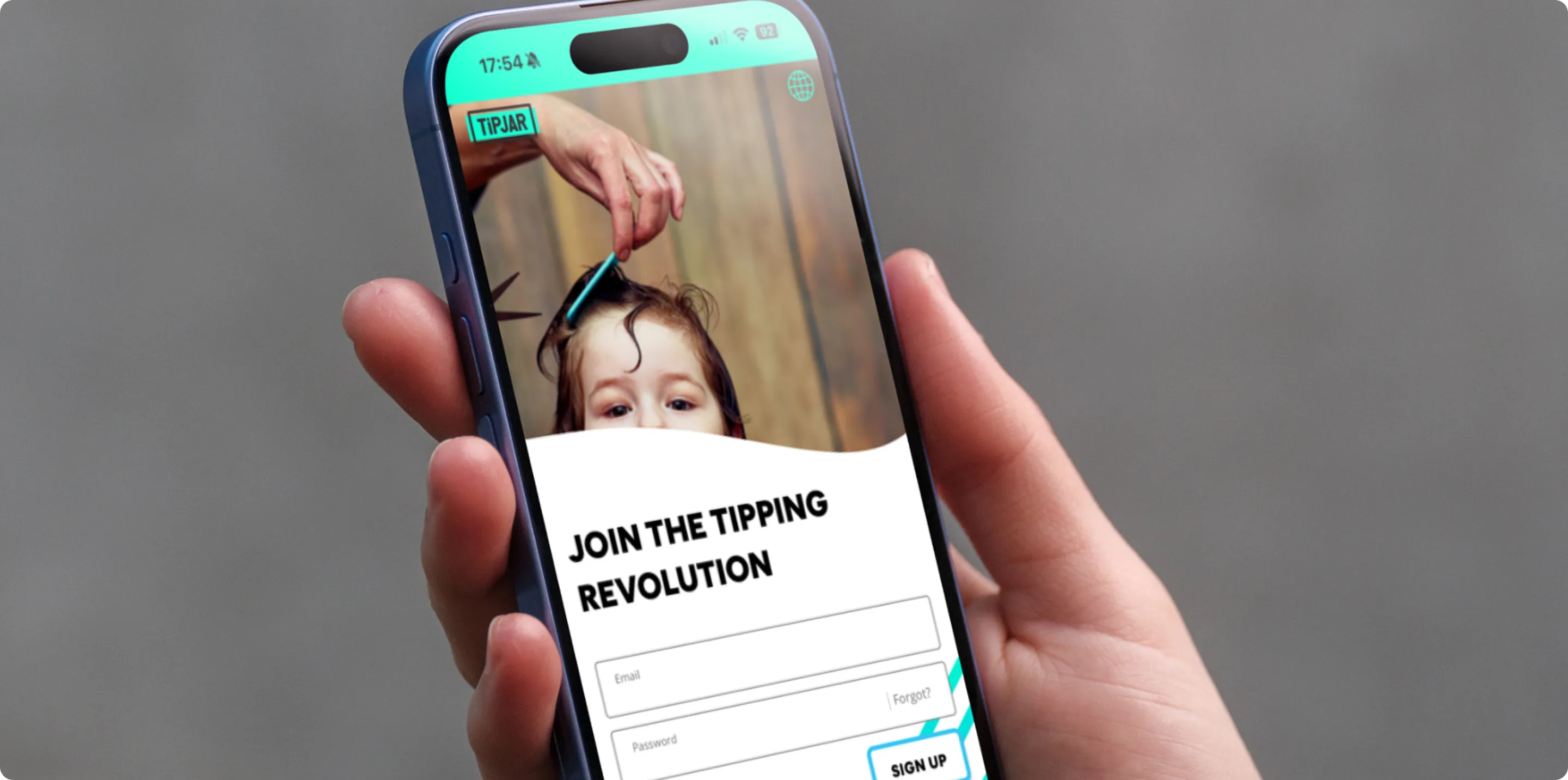
Built the platform that powered TiPJAR's Crowdcube fundraising campaign — exceeding their target by 336%.
Related
Related Service
.NET is how we build. If you would rather start from what you need delivered, our bespoke software development page covers scope, process and engagement.
Tell us what you are building — or what you have inherited. We will come back with a straight answer on scope and approach.
Get in Touch